Bridging Nations Through Lakota Culture
- rootedwindslakota
- Sep 5, 2025
- 4 min read
The Lakota culture is rich, vibrant, and deeply rooted in history. It offers a unique perspective on life, community, and the natural world. As we explore this culture, we find that it serves as a bridge between nations, connecting people from different backgrounds and experiences.
In this blog post, we will dive into the essence of Lakota culture, its traditions, and how it fosters understanding and respect among diverse communities.
The Heart of Lakota Culture
At the core of Lakota culture is a profound respect for nature and a strong sense of community. The Lakota people view themselves as part of the earth, not separate from it. This connection shapes their beliefs, practices, and daily lives.
Spirituality and Beliefs
Lakota spirituality is deeply intertwined with their understanding of the world. They believe in Wakan Tanka, the Great Spirit, who represents the interconnectedness of all life.
Ceremonies: The Lakota hold various ceremonies, such as the Sun Dance and the Vision Quest. These rituals are not just cultural practices; they are essential for spiritual growth and community bonding.
Nature: Nature plays a crucial role in Lakota spirituality. The land, animals, and plants are seen as sacred. This belief encourages a lifestyle that promotes sustainability and respect for the environment.
Language and Storytelling
The Lakota language is a vital part of their identity. It carries stories, traditions, and wisdom passed down through generations.
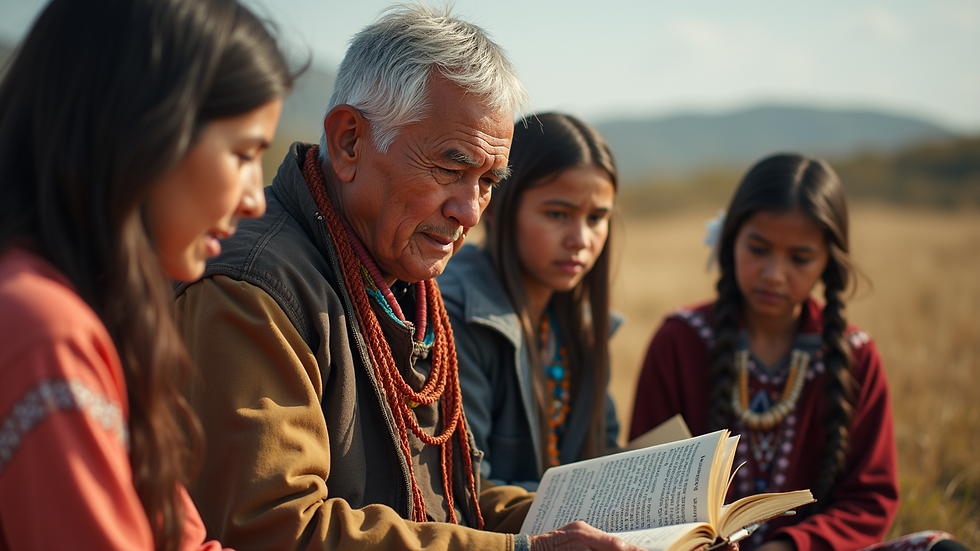
Oral Tradition: Storytelling is a key aspect of Lakota culture. Elders share tales that teach lessons about life, morality, and the importance of community.
Language Revitalization: Efforts are underway to revitalize the Lakota language among younger generations. This initiative not only preserves the language but also strengthens cultural identity.
Art and Expression
Lakota art is a beautiful expression of their culture. It reflects their history, beliefs, and connection to nature.
Traditional Crafts
Beadwork: Lakota beadwork is intricate and colorful. It often tells a story or represents a specific cultural symbol.
Tipis: The traditional Lakota dwelling, the tipi, is not just a home; it is a symbol of their nomadic lifestyle and connection to the land.
Contemporary Art
Modern Lakota artists blend traditional themes with contemporary styles. This fusion creates a unique art form that resonates with both Lakota and non-Lakota audiences.
Exhibitions: Many Lakota artists showcase their work in galleries and exhibitions, helping to bridge cultural gaps and foster understanding.
Community and Connection
The Lakota people place a strong emphasis on community. They believe that everyone has a role to play in maintaining harmony and balance.
Community Events
Powwows: These gatherings celebrate culture through dance, music, and food. They bring together people from various backgrounds, fostering unity and understanding.
Cultural Workshops: Many Lakota communities offer workshops on traditional crafts, language, and spirituality. These events invite outsiders to learn and engage with Lakota culture.
Building Bridges
Through cultural exchange, the Lakota people have the opportunity to share their traditions with others. This exchange promotes respect and understanding among different nations.
Collaborations: Lakota artists and leaders often collaborate with non-Lakota organizations to create programs that educate others about their culture.
Cultural Ambassadors: Many Lakota individuals serve as cultural ambassadors, sharing their stories and experiences with diverse audiences.
The Role of Education
Education plays a crucial role in bridging nations through Lakota culture.
Schools and Curriculum
Culturally Relevant Education: Some schools incorporate Lakota history and culture into their curriculum. This approach helps students understand and appreciate the richness of Lakota traditions.
Language Classes: Offering Lakota language classes in schools promotes language preservation and cultural pride among young people.
Community Involvement
Mentorship Programs: Older generations mentor youth, sharing knowledge about traditions, language, and spirituality. This connection strengthens community bonds and ensures cultural continuity.
Cultural Exchange Programs: Schools often organize exchange programs where students can experience Lakota culture firsthand. These experiences foster empathy and understanding.
Challenges and Resilience
Despite the beauty of Lakota culture, challenges remain.
Historical Context
The Lakota people have faced significant hardships throughout history, including displacement and cultural suppression.
Resilience: Despite these challenges, the Lakota have shown remarkable resilience. They continue to celebrate their culture and share it with others.
Modern Issues
Today, many Lakota communities face issues such as poverty and lack of access to education.
Advocacy: Lakota leaders advocate for their rights and work towards improving living conditions. They emphasize the importance of cultural preservation in these efforts.
Celebrating Lakota Culture
Celebrating Lakota culture is essential for fostering understanding and respect among nations.
Festivals and Events
Lakota Nation Invitational: This annual event showcases Lakota culture through sports, art, and traditional practices. It attracts participants from various backgrounds, promoting cultural exchange.
Cultural Days: Many communities host cultural days where people can experience Lakota traditions, food, and music. These events create opportunities for dialogue and connection.
Sharing Stories
Social Media: Lakota individuals and organizations use social media to share their stories and culture with a global audience. This platform allows for greater visibility and understanding.
Documentaries and Films: Various documentaries highlight Lakota culture, showcasing their traditions and challenges. These films serve as educational tools for broader audiences.
The Path Forward
As we look to the future, it is essential to continue bridging nations through Lakota culture.
Collaboration and Partnership
Working Together: Building partnerships between Lakota communities and other organizations can lead to meaningful cultural exchanges.
Support for Lakota Initiatives: Supporting Lakota-led initiatives helps ensure the preservation and celebration of their culture.
Education and Awareness
Promoting Cultural Education: Encouraging schools to include Lakota culture in their curriculum fosters understanding among young people.
Community Engagement: Engaging with Lakota communities through workshops and events promotes respect and appreciation for their culture.
A Shared Journey
Bridging nations through Lakota culture is not just about sharing traditions; it is about building relationships and understanding.
By embracing the richness of Lakota culture, we can foster a sense of unity among diverse communities.
As we learn from one another, we create a world that values respect, empathy, and connection.
Let us celebrate the beauty of Lakota culture and work together to build bridges that connect us all.


Comments