Understanding the Lakota Way of Life
- rootedwindslakota
- Sep 5, 2025
- 4 min read
The Lakota people have a rich and vibrant culture that is deeply connected to their history, spirituality, and the natural world. Understanding the Lakota way of life offers a glimpse into a community that values harmony, respect, and a profound connection to the earth. This blog post will explore various aspects of the Lakota culture, including their traditions, beliefs, and daily practices.
The Lakota People: An Overview
The Lakota are one of the three major divisions of the Sioux Nation. They primarily inhabit the northern Great Plains, particularly in South Dakota, North Dakota, Nebraska, and Montana. The Lakota people have a unique language, known as Lakota, which is part of the Siouan language family.
Historically, the Lakota were nomadic hunters and gatherers. They followed the buffalo herds, which were central to their way of life. The buffalo provided food, clothing, and materials for shelter. Today, many Lakota still honor this connection to the buffalo through cultural practices and ceremonies.
Spirituality and Beliefs
Spirituality is a cornerstone of the Lakota way of life. The Lakota believe in a Creator, known as Wakan Tanka, which translates to "Great Spirit." This belief shapes their understanding of the world and their place within it.
The Lakota also practice a form of animism, where they see the spirit in all living things. This belief fosters a deep respect for nature and the environment. The Lakota people often engage in ceremonies to honor the earth, the animals, and the elements.
The Vision Quest
One of the most significant spiritual practices among the Lakota is the vision quest. This rite of passage involves spending time alone in nature, fasting, and seeking a vision or guidance from the spirit world.
The vision quest is often undertaken by young men and women as they transition into adulthood. It is a deeply personal experience that can provide clarity and direction for their lives.
Traditional Practices and Ceremonies
Ceremonies play a vital role in the Lakota culture. They are not just events but are seen as a way to connect with the spiritual world and the community.
The Sun Dance
The Sun Dance is one of the most important ceremonies for the Lakota. It is a time of renewal and healing, typically held during the summer months. Participants engage in dancing, singing, and fasting for several days.
The Sun Dance is a communal event, bringing together families and friends. It is a time to pray for the well-being of the community and to honor the sacrifices made by ancestors.
The Pipe Ceremony
The Pipe Ceremony is another significant ritual. The Lakota use a sacred pipe, known as the Chanunpa, to connect with the spiritual world. During the ceremony, participants smoke the pipe while offering prayers and intentions.
This ceremony emphasizes the importance of unity and peace. It is often used to seal agreements or to bring people together in harmony.
Daily Life and Community
The Lakota way of life is not just about ceremonies and spirituality; it also encompasses daily practices and community values.
Family and Community
Family is at the heart of Lakota culture. Extended families often live together, supporting one another in daily life. The concept of "Wíiyukta," or kinship, is essential. It emphasizes the interconnectedness of all members of the community.
Community gatherings are common, where people come together to share food, stories, and laughter. These gatherings strengthen bonds and foster a sense of belonging.
Traditional Foods
Traditional Lakota foods are closely tied to the land and the seasons. The diet primarily consists of buffalo, deer, fish, and various plants.
Today, many Lakota people are working to revive traditional food practices. They are growing native crops and participating in community gardens. This not only helps preserve their culture but also promotes health and sustainability.
The Role of Art and Storytelling
Art and storytelling are vital components of the Lakota way of life. They serve as a means of preserving history and passing down knowledge to future generations.
Lakota Art
Lakota art often reflects their connection to nature and spirituality. Traditional crafts include beadwork, quillwork, and leatherwork. These art forms are not just decorative; they carry cultural significance and tell stories of the Lakota people.
Storytelling
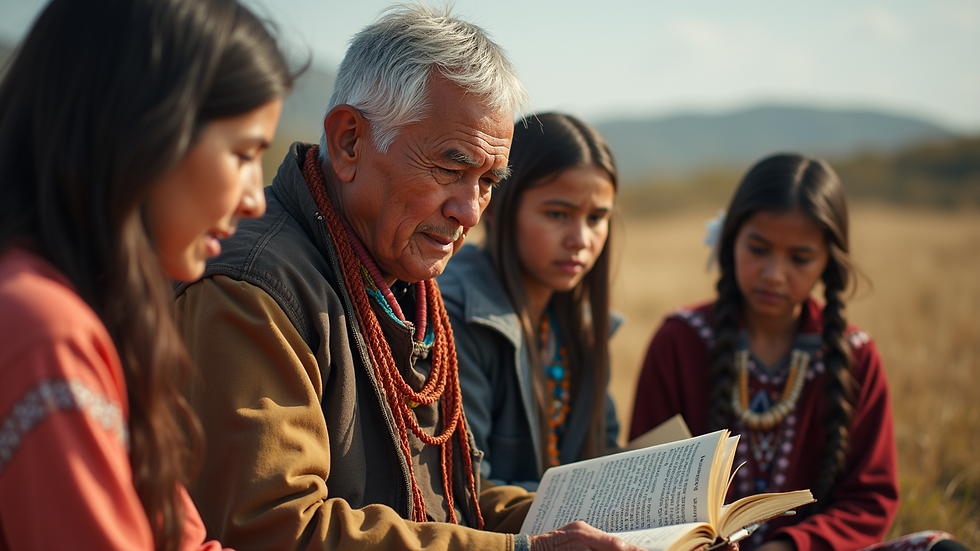
Storytelling is a cherished tradition among the Lakota. Elders share stories that teach lessons, convey values, and preserve history. These stories often feature animals and nature, emphasizing the importance of living in harmony with the world.
Challenges and Resilience
Like many Indigenous communities, the Lakota have faced numerous challenges throughout history. From colonization to modern-day issues, they have shown remarkable resilience.
Modern Issues
Today, the Lakota people continue to fight for their rights and sovereignty. Issues such as land disputes, access to clean water, and healthcare remain pressing concerns.
Despite these challenges, the Lakota community is actively working to preserve their culture and improve their quality of life. They are engaging in activism, education, and cultural revitalization efforts.
The Future of the Lakota Way of Life
The future of the Lakota way of life is a blend of tradition and modernity. Many young Lakota are embracing their heritage while also pursuing education and careers.
Cultural Revitalization
There is a growing movement among the Lakota to revitalize their language and traditions. Language classes, cultural camps, and community events are helping to keep their heritage alive.
This cultural resurgence is essential for the younger generation. It fosters a sense of identity and pride in their roots.
Embracing the Lakota Way
Understanding the Lakota way of life is about more than just learning facts. It is about appreciating a culture that values community, respect, and harmony with nature.
By embracing these principles, we can all learn to live more mindfully and connected to the world around us. The Lakota way of life offers valuable lessons that can enrich our own lives, regardless of our background.
In a world that often feels disconnected, the Lakota remind us of the importance of community, spirituality, and the natural world. Their resilience and commitment to preserving their culture inspire us all to honor our own traditions and connections.

As we reflect on the Lakota way of life, let us carry forward the values of respect, harmony, and community. These principles can guide us in our daily lives and help us build a more compassionate world.
By learning from the Lakota, we can foster a deeper understanding of ourselves and our place in the world. The journey to understanding the Lakota way of life is not just about knowledge; it is about connection, respect, and a shared commitment to a better future.

Comments